.png?imageMogr2/format/webp)







Two action cameras sit on the same shelf. Both boxes say waterproof. One survives a two-hour ride in heavy rain. The other fills with water the first time it goes under. The difference is not the marketing claim — it is a two-digit code that most buyers read as a score.
IP65 and IP68 are not three points apart on the same scale. They describe two different tests performed two different ways, and the gap between them is the difference between being splashed and being submerged. On an action camera, that gap is almost always closed by one accessory: a case.
This guide explains what each rating actually covers, why an IP68 camera is usually only IP68 with a housing fitted, where water finds its way in, and the three questions that settle the specification before you place an order.
The Second Digit Is Not a Score
An IP code has two positions. The first digit, from 0 to 6, describes protection against solid objects — dust, and fingers. The second, from 0 to 9, describes protection against water. IP65 means dust-tight and protected against water jets. IP68 means dust-tight and protected against continuous immersion.
The digits are not cumulative points on one ruler. A camera rated 5 is tested by pointing a nozzle at it. A camera rated 8 is tested by putting it under water. Passing the first says nothing about the second, which is why an IP65 unit that handles a storm perfectly well can be destroyed by a single dunk in a pool.
One more thing worth knowing before comparing any two datasheets: the water digit describes the method of testing, not the amount of water the product can take over its life. A unit that passed level 5 in a laboratory has passed level 5 on the day it was tested, with its seals new and correctly closed.
What IP65 Actually Covers
Under IEC 60529, the level 5 water test directs a jet from a 6.3 mm nozzle at 12.5 litres per minute for at least three minutes, from a distance of about three metres. Level 6 uses a larger nozzle at roughly eight times that flow rate. Both are jet tests. Neither involves the product sitting in water.
In practice, IP65 covers a specific and fairly wide set of real situations:
- Rain while riding a motorcycle, scooter or e-bike, including sustained heavy rain
- Water thrown up from a wet road, and spray from passing vehicles
- Rinsing mud off the housing at the end of a shift
- Dust on a construction site or a farm, where the first digit does the work
What it does not cover is immersion. Not a fall into a puddle, not a wave breaking over a handlebar mount, not a pocket that ends up in the washing machine. If the camera will spend any time under water, the rating that matters is not the one printed on the box — it is the one that applies to the way the camera is sealed at the moment it goes in.
IP65 is a rating for weather. It is not a rating for water.
What IP68 Requires — and Why the Number Alone Says Nothing
Level 7 is the first immersion test, and it is a fixed one: one metre of water for thirty minutes. Level 8 has no fixed conditions at all. The standard states that continuous immersion is carried out “under conditions which shall be agreed between the manufacturer and the user”, provided they are more severe than level 7.
That single sentence is why two cameras both marked IP68 can be twenty times apart in real capability. One may be specified at 1.5 metres for 30 minutes. Another at 10 metres for 60 minutes. Both statements are correct, both earn the same two digits, and neither is visible on the packaging.
So an IP68 marking on its own is an incomplete specification. A complete one reads like this: IP68, 3 metres, 60 minutes, with housing, model X tested. Every one of those five elements changes what the buyer can promise their own customer — and the absence of any of them is the reason disputes happen after the first dive rather than before the order.
Why an IP68 Camera Is Usually IP68 With a Case
A camera body is not a sealed bottle. It has to be opened: a battery compartment, a card slot, a USB port, buttons, a screen. Each of those is a hole in the shell, and each hole needs its own seal, its own closing force and its own tolerance stack. Building a body that survives continuous immersion with all of those openings is possible, and it is expensive.
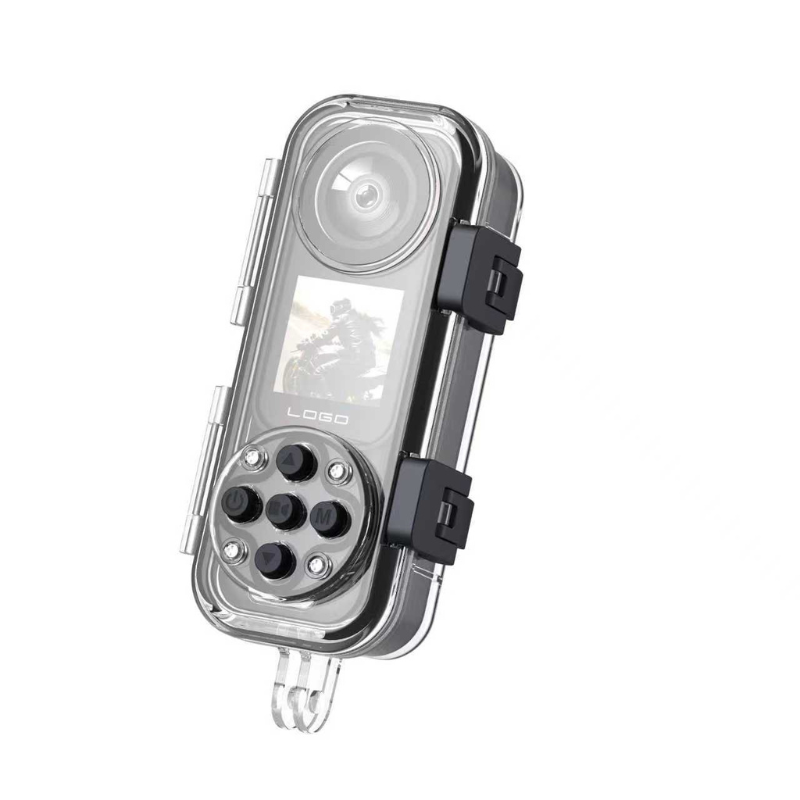
The housing solves the problem differently. Instead of sealing five openings individually, it encloses the whole camera in a shell with one or two O-rings. The body can stay at a weather-resistant rating, which is what most of the market needs, and the buyer who wants to go under water fits the case.
This is why a product sheet that says “IP68” without qualification is worth questioning. On a camera with accessible ports, the honest reading is almost always IP68 with the optional housing. The case is not an accessory added to make a weak product look strong. It is the part that makes the immersion rating physically possible.
WHAT THE CASE ACTUALLY DOES
It replaces five independent seals with one continuous shell, held closed by a latch rather than a rubber flap. That is a simpler seal to manufacture and a far easier one to inspect before every use — which matters more than the rating, because most water damage starts with a seal that was fine when it left the factory.
Where Water Actually Gets In
Failures are not evenly distributed across the product. In returned units, water almost always enters through the same five places, and four of them are user-accessible openings rather than manufacturing defects.
| ENTRY POINT | WHY IT FAILS |
|---|---|
| Rubber flap over the card slot | Opened several times a week to swap cards. Sand or salt crystallises on the lip, the flap no longer sits flat, and the seal relies on a press fit that nothing verifies. |
| USB port cover | Charged in a hurry, closed halfway. The cover looks shut, the gasket is folded over, and the failure appears days later at the charging contact. |
| Buttons | Pressed constantly with gloves, in the cold, with wet hands. The sealing membrane fatigues long before the electronics do. |
| Lens bezel | A threaded joint between two materials with different expansion rates. Water creeps in along the thread, not through the glass. |
| The case O-ring itself | The most common cause of a flooded unit that was “protected”. A grain of sand, a hair, a dried salt ring, or a ring left in the sun for a season. Users trust the case more than they trust the camera, and inspect it less. |
Read the list again and a pattern appears: the rating describes a factory condition, and every one of these failures happens after the factory. This is why the specification matters less than the routine — empty-case test before the first dive, fresh water rinse after salt water, O-ring inspected and greased, flap seated with a thumb rather than a glance.
Three Questions That Settle the Rating
Before accepting any waterproof claim, in a quotation or on a listing, three questions resolve almost everything. They are short, they are answerable in one message, and an answer that dodges any of them tells you as much as the specification would have.
QUESTION 01
Bare unit or with the case?
This one word decides whether the number applies to what your customer unboxes or to what they unbox plus an accessory they may not buy.
QUESTION 02
How deep, and for how long?
IP68 without a depth and a duration is a marketing statement. With them, it becomes a specification you can put in a contract.
QUESTION 03
Which model was tested?
A report for a sibling model with a different housing is not evidence for the SKU in your purchase order, however similar the two look.
Matching the Rating to the Job
Most buyers do not need the highest number. They need the lowest rating that covers the way the camera will actually be used, because paying for immersion protection on a helmet camera that never leaves the road is money that could have gone into a better sensor or a larger battery.
| HOW IT WILL BE USED | WHAT IS ENOUGH | WHAT TO WATCH |
|---|---|---|
| Deliveries, security patrols, site work in rain | IP65 bare unit | Charging port cover, since these units are docked daily |
| Motorcycle and e-bike mounting | IP65 bare unit, case for monsoon season | Vibration loosening the flap over time |
| Beach, poolside, water sports without diving | Case fitted, IP68 rated | Sand in the O-ring; rinse in fresh water after every use |
| Snorkelling and shallow diving | Case rated to the working depth with margin | Depth claim must come with its duration; confirm the case rating, not the camera rating |
If the application is at the boundary between two rows, take the higher one. The cost of a case is small next to the cost of replacing a batch of units that flooded in the first week of a season.
How the Ratings Sit Across Our Cameras
It is worth being precise about this, because an accurate per-model figure is more useful than a uniform claim. The water rating differs across the range, and the immersion figure appears only where a housing is fitted.
| MODEL | RECORDING | WATER RATING |
|---|---|---|
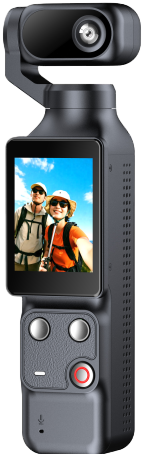
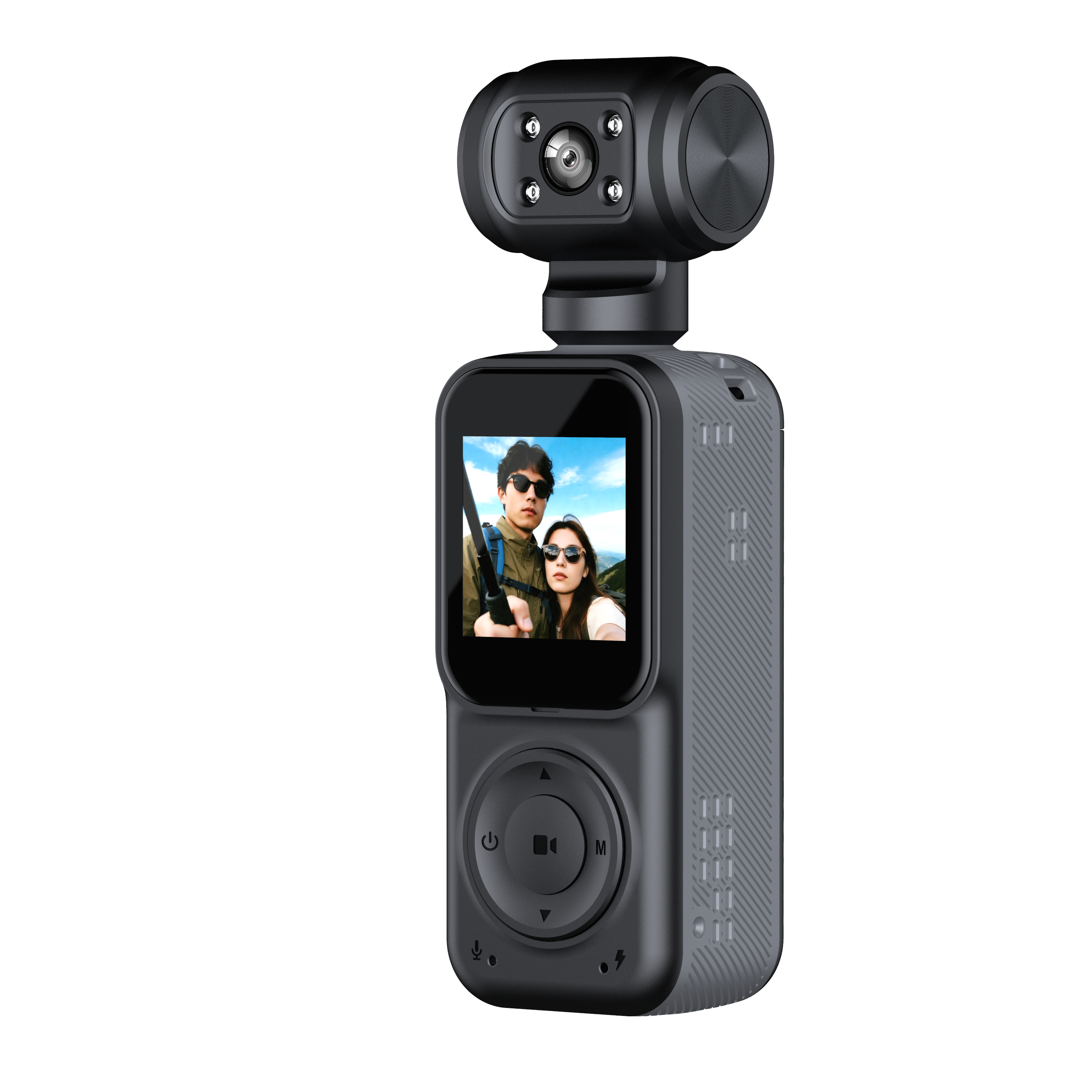
| Q2 | 4K front and 4K rear, 2K+2K simultaneous dual recording, 6-level electronic stabilisation, 130° | IP68 with the optional waterproof housing. The immersion rating applies with the case fitted. |
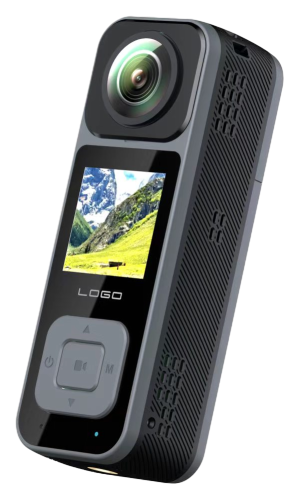
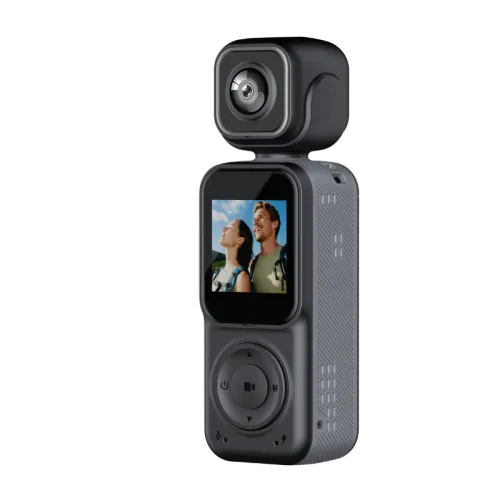
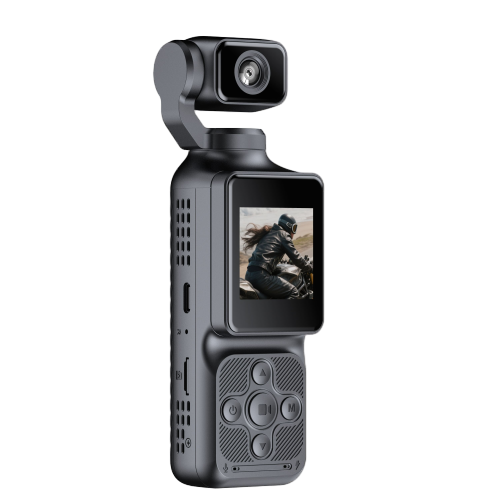
| Q11 | 2K (2560×1440), 130°, Wi-Fi app control, 2500 mAh | IP65, bare unit |
| X11 | 2K (2560×1440), 130°, Wi-Fi app control, 3000 mAh | IP65, bare unit |
Where a deployment depends on a specific depth and duration, ask for them by model before the order. Treat the answer as part of the specification rather than as an afterthought, because it is the figure you will have to stand behind with your own customer — a two-digit code cannot carry that on its own.
For how these ratings fit into a broader durability decision — drop resistance, temperature range and mounting — see our guide to choosing a waterproof action camera for outdoor sports. If you are still deciding on resolution before waterproofing, what to evaluate in a 4K action camera covers that trade-off separately. And when the specification is settled and the question becomes who builds it, our notes on choosing an action camera manufacturer for your brand set out what to verify.
SPECIFY THE CONDITION, NOT THE ACRONYM
Tell us how the camera will be used
Describe the depth, the duration and whether a housing is acceptable for your market. We will confirm which rating applies to the model you are ordering, and under what condition.
Ask About Waterproof RatingsWrite the Condition Down
A waterproof rating is a promise about a test, not a property of the product in your hand. IP65 tells you the camera was sprayed. IP68 tells you it was immersed — but only if someone also wrote down how deep, for how long, and whether a case was fitted at the time.
The buyers who avoid flooded returns are not the ones who ordered the highest number. They are the ones who matched the rating to the actual use, put the depth and duration into the purchase specification, and told their own customers what the case is for. That costs one extra line in an email, and it removes the single most common argument in this category.
.jpg?imageMogr2/format/webp)