.png?imageMogr2/format/webp)
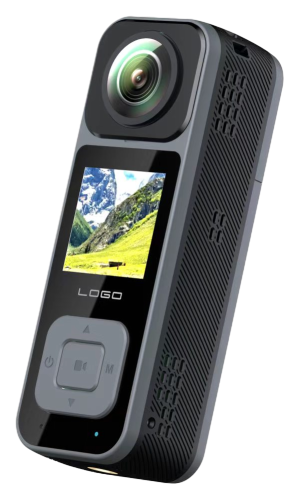
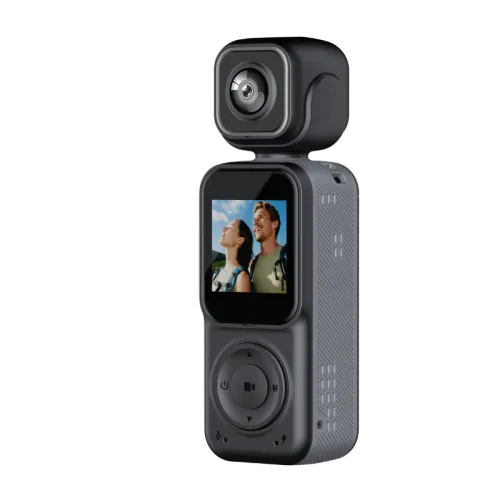
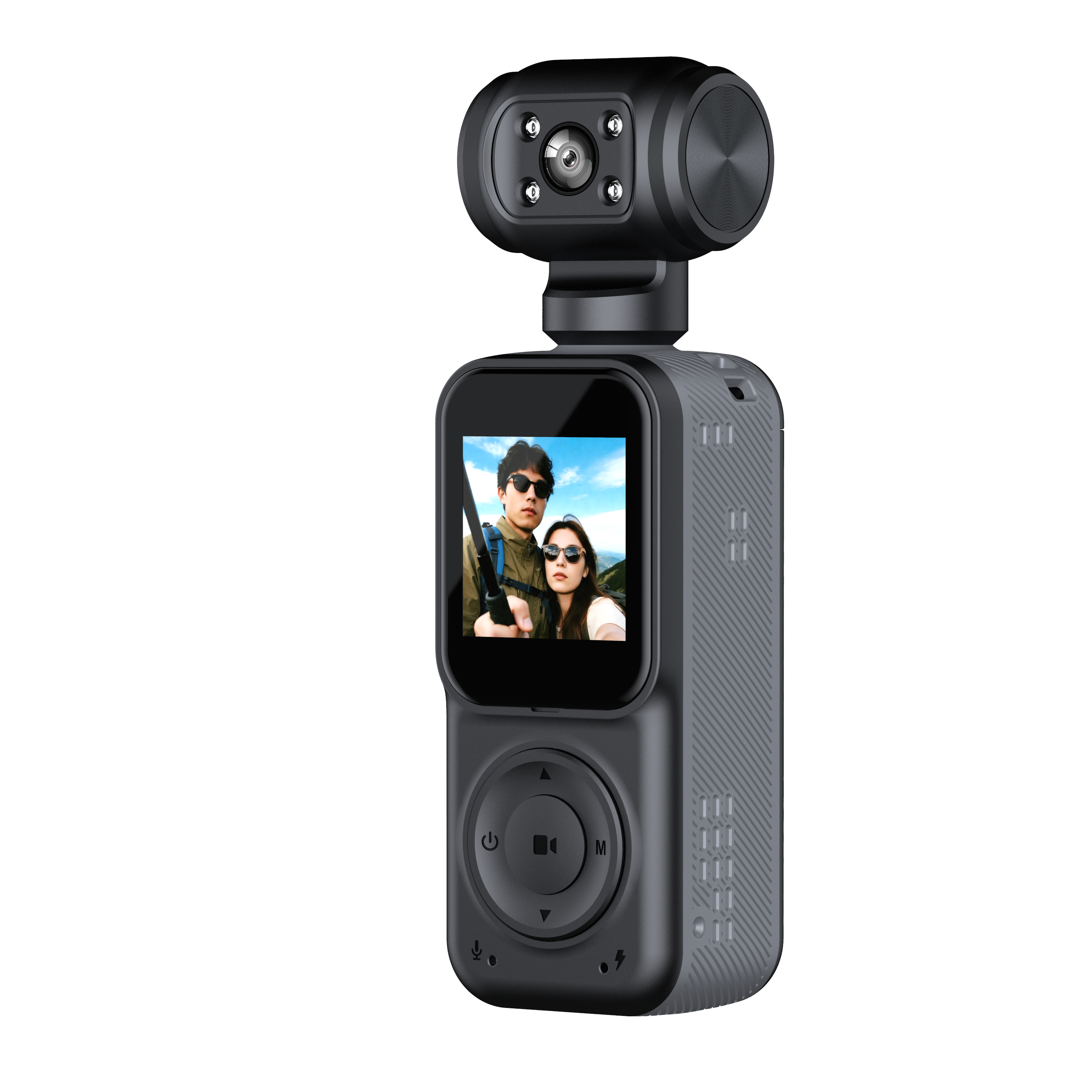
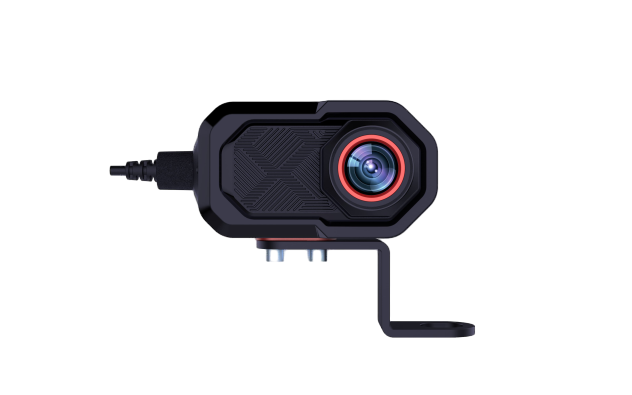

A buyer reads "2000mAh" on the box and divides it by the current a camera is said to draw, expecting a clean number of hours. The real recording time is almost always shorter, and the gap is not a defect. It is the sum of several loads that a headline capacity figure never mentions — the encoder working harder at higher resolution, the stabilisation processor, the Wi-Fi radio held open for a phone app, and the simple fact that a cold battery delivers less of its rated charge.
This article separates what the specification actually states from what it does not. It lists the documented battery capacities across the action-camera range, explains each real drain in plain terms, and gives a way to plan recording time that does not depend on a marketing number. It deliberately gives no promised runtimes, because the specification sheet does not contain them and inventing them would not help you specify a camera.
What the Specification Actually States
The specification sheet states a battery capacity for each action-camera model but gives no per-resolution recording times. Capacity is a real, comparable figure; runtime is a derived figure that depends on settings. Here is what is documented.
| Battery capacity (documented) | Representative models | Battery type where stated |
|---|---|---|
| 1000mAh | Q7, X7, X20, L11 | 3.8V polymer (Q7/X7); others as listed |
| 1400mAh | L19, L20 | — |
| 1800mAh | L9 | — |
| 2000mAh | Q1, Q2, Q3, Q5, Q9, Q12, Q12s | 3.8V polymer; 18650 on Q2/Q9/Q12/Q12s |
| 2500mAh | Q11 | 104050-type cell |
| 3000mAh | X11 | 974058-type cell |
Documented battery capacities across the action-camera range. Type is included only where the specification sheet states it.
Capacity is not runtime. A larger mAh figure usually means longer operation, but the multiplier is not linear because the loads described below scale with settings. Treat the table as a comparison of battery size, not a promise of hours.
Five Reasons Real Runtime Falls Short
The specification sheet states a battery capacity for each action-camera model but gives no per-resolution recording times. Capacity is a real, comparable figure; runtime is a derived figure that depends on settings. Here is what is documented.
| Battery capacity (documented) | Representative models | Battery type where stated |
|---|---|---|
| 1000mAh | Q7, X7, X20, L11 | 3.8V polymer (Q7/X7); others as listed |
| 1400mAh | L19, L20 | — |
| 1800mAh | L9 | — |
| 2000mAh | Q1, Q2, Q3, Q5, Q9, Q12, Q12s | 3.8V polymer; 18650 on Q2/Q9/Q12/Q12s |
| 2500mAh | Q11 | 104050-type cell |
| 3000mAh | X11 | 974058-type cell |
Documented battery capacities across the action-camera range. Type is included only where the specification sheet states it.
Capacity is not runtime. A larger mAh figure usually means longer operation, but the multiplier is not linear because the loads described below scale with settings. Treat the table as a comparison of battery size, not a promise of hours.
Five loads explain why real recording time falls below the simple capacity calculation.
Resolution and frame rate. Encoding 4K video moves far more data than 1080p. The encoder and memory subsystem draw more power at higher resolution and frame rate, so the same battery empties sooner.
Stabilisation. Models documented with anti-shake — including Q2, Q7, X7 and Q12s — run an additional processing load and often crop the sensor. Electronic stabilisation is not free in power terms.
Wi-Fi. Every model in the range with WiFi can hold a connection to a phone app. Keeping that radio active while recording is a steady drain that a capacity figure says nothing about.
Screen and status lights. Touchscreen models such as Q12 and Q12s, and units with an active status display, spend power on the screen itself.
Temperature. A lithium cell delivers less usable charge in cold weather. A camera rated for a certain runtime in a warm room will record for less time on a winter mountain or in a cold vehicle.
The capacity figure is a ceiling. The settings you choose decide how much of it reaches the recording.
A Practical Way to Measure Your Own Runtime
Rather than trust a runtime claim, measure the load of your own configuration. This needs one full battery cycle and a stopwatch.
- Set the camera exactly as you will use it — resolution, frame rate, stabilisation on or off, Wi-Fi on or off.
- Charge to full, note the time, and start recording with the screen and radios in the state you actually need.
- Record until the battery is exhausted, then note the elapsed time.
- Repeat once with Wi-Fi off and once with stabilisation off. The difference tells you what each feature costs in your configuration.
The result is a runtime for your use case, not a generic figure. It is also a direct way to decide whether a feature is worth its power cost: if turning off Wi-Fi adds a meaningful amount of recording time and you never use the app while filming, the trade is obvious.
How This Changes the Camera You Buy
Power planning changes the purchase in three ways.
| Priority | Implication for specification |
|---|---|
| Longest single take | Choose a documented larger cell (2500mAh Q11 or 3000mAh X11) and disable Wi-Fi |
| Heavy stabilisation use | Accept a shorter runtime on anti-shake models (Q2, Q7, X7, Q12s) |
| Cold-weather use | Carry spare power or a charger; rated capacity will not fully deliver |
| Minimal weight | Smaller cells (1000–1400mAh) reduce mass but shorten each take |
Battery size is one variable; settings and environment decide the rest.
For the wider selection question, the guide to choosing a 4K action camera for outdoor use and the 4K versus 2K comparison cover resolution trade-offs, while what an IP rating really covers deals with the other common outdoor constraint. If runtime depends on a specific mission length, confirm it against the exact model before ordering rather than relying on capacity alone.
Planning Power for a Specific Use?
Tell us the resolution, whether you need stabilisation and Wi-Fi, and the temperature range you will record in. We will confirm the documented capacity of the models that fit and how to plan power around them.
Ask About Battery Options →The specification sheet states battery capacity but no per-mode runtimes. No recording hours are claimed in this article.
.jpg?imageMogr2/format/webp)