.png?imageMogr2/format/webp)



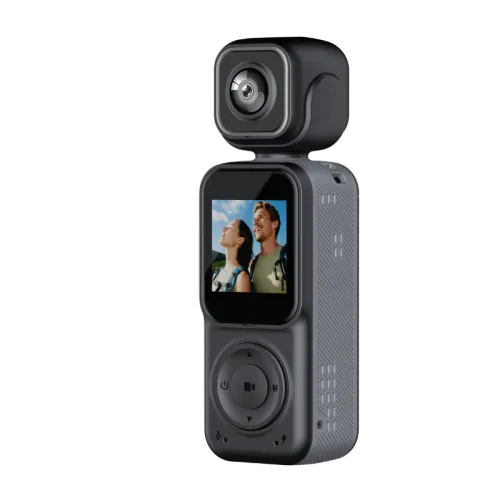
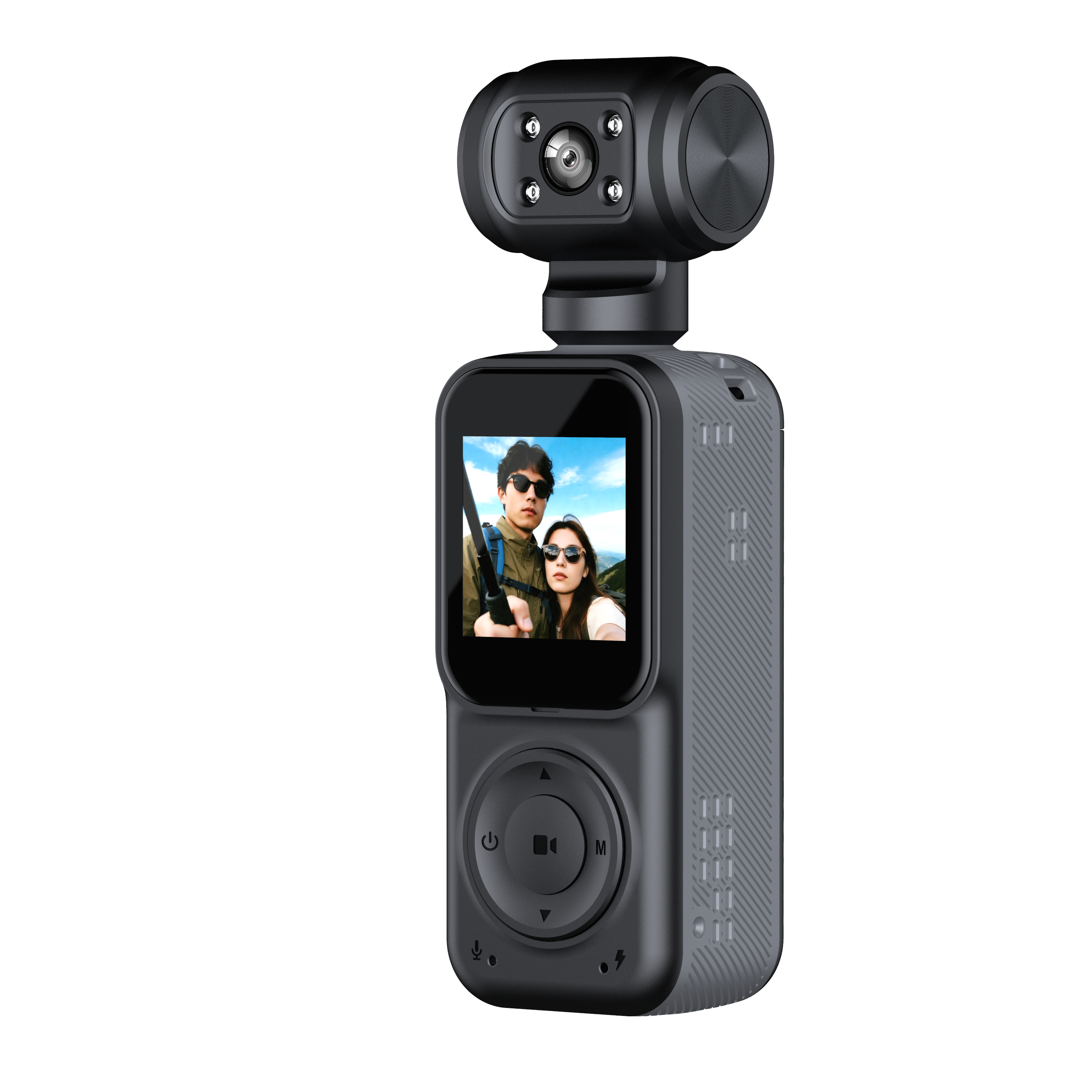
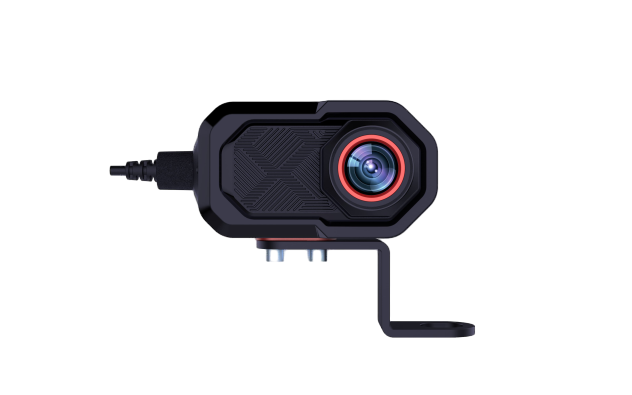


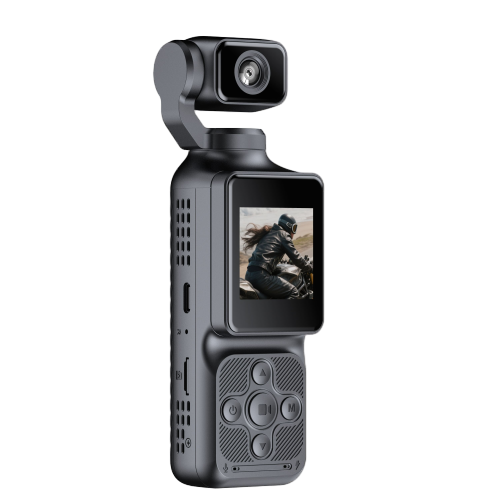
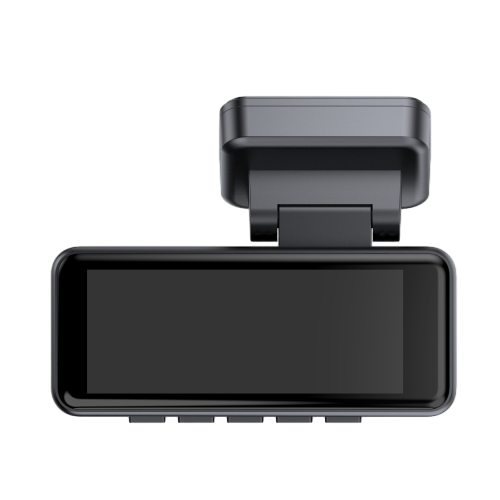
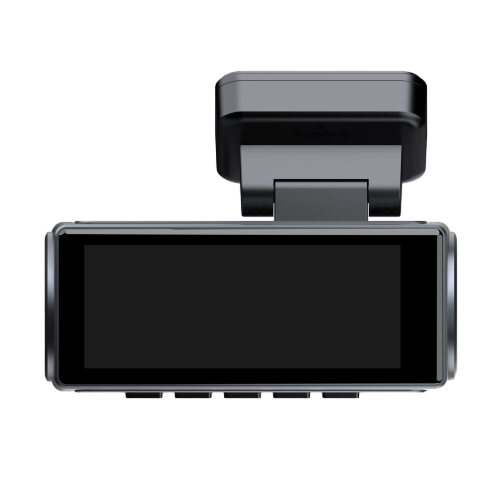

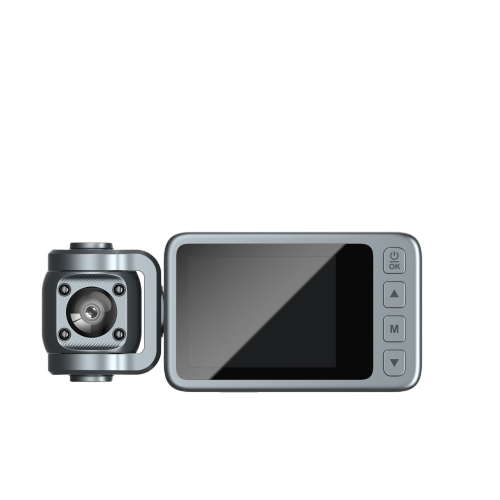
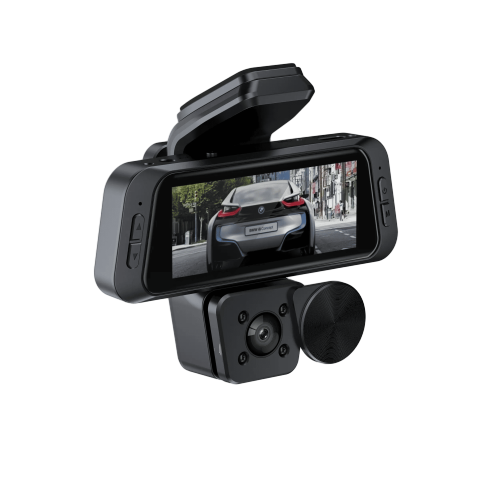


Two suppliers quote the same dashcam and the numbers land far apart. The instinct is to assume one is overpriced or one is cutting corners. Usually neither is true — the two numbers were never describing the same thing.
A quotation is not the price of a product. It is the price of one configuration, at one quantity, delivered under one set of terms, paid on one schedule. Change any of those four and the number moves, sometimes by more than the difference you were trying to explain.
This guide breaks a dashcam quotation into the parts that actually generate cost, shows how one-time charges behave as volume changes, and gives you a method for putting two quotes on the same footing before you decide which one is cheaper.
The Difference Is Usually Configuration, Not Mark-Up
When two quotes for a "4K dashcam" sit far apart, the gap is normally assembled from a handful of decisions that were never written down on either sheet. The image sensor is one generation older. The lens is plastic rather than glass. The rear camera is 720p instead of 1080p. The quote assumes a higher quantity than you actually plan to order. One number includes the mould; the other amortises it into the unit price.
None of these shows up in the two-word description. That is the whole problem: dashcam quotations are frequently compared at the level of a headline number, while the differences that produce the number live several layers below it.
A quote is only comparable when the configuration, the quantity, the delivery term and the payment schedule are identical. Fix those four first, then compare prices — not the other way round.
What a Quotation Should Itemise
A single-line quotation — one unit price, one Incoterm, nothing else — is not a negotiating position, it is an absence of information. You cannot tell whether the mould is included, whether certification is covered, or which quantity the price assumes. Asking for the structure is a normal request, not an unusual one.
Four groups should appear separately:
Recurring unit price. What you pay per device, at a stated quantity tier. This is the only line that scales linearly with volume.
One-time costs. Tooling, certification testing, sampling, packaging artwork and printing plates, and any firmware development that is specific to your project. These are paid once and belong to the project, not to a unit.
Logistics and duty. Freight, insurance, export clearance, import duty and destination charges. Which of these sit inside the quoted number depends entirely on the Incoterm.
Payment and currency. Deposit percentage, balance against documents or before shipment, and who carries exchange-rate movement between order and delivery.
Two quotes that itemise these four groups can be compared in ten minutes. Two quotes that do not can be compared only by guessing.
Inside the Unit Price
The unit price is the sum of a bill of materials, assembly labour and test time. Within a dashcam, a small number of components account for most of the variation between one quote and another.
Image sensor and processor
The sensor sets what the device can genuinely capture, especially after dark, and the processor sets how many channels it can encode at once and at what bitrate. Two cameras labelled 4K can sit a full generation apart here, and the price difference is real rather than margin.
Lens
Glass versus plastic elements, aperture, coating and the number of elements all change both the image and the cost. A wide field of view is not free either: the wider the lens, the fewer pixels land on a number plate at distance.
Display and housing
Screen size, resolution and whether the panel is touch-sensitive move the price more than most buyers expect. The housing brings its own variable: the number of injection-moulded parts, the finish, and whether the tool is new. A new mould is a one-time cost, but the part price also depends on how many cavities the tool has and therefore how fast it runs.
Power and connectivity
Battery capacity, or the choice of a supercapacitor for high-temperature installations, is a cost line and a reliability decision at once. Wi-Fi, GPS and cellular modules each add both component cost and certification scope, which is why a 4G variant is rarely a small step up from a Wi-Fi one.
Accessories and test time
Mount, cable, memory card, retail box and printed documentation are frequently quoted separately or quietly omitted. Test time is the least visible line of all: a single-channel unit can be checked quickly, while a three-channel unit needs every lens focused, every channel recorded and the whole set verified together.
"4K" explains almost none of the cost difference between two quotes. Ask for the sensor family, the lens construction and the channel configuration, and the gap usually explains itself.
How One-Time Costs Behave as Volume Changes
Tooling, certification and sampling are project costs, not product costs. Their effect on the unit price is purely arithmetic:
per-unit one-time cost = total one-time cost ÷ order quantity
This is why a small order looks expensive without anyone being unreasonable. Halve the quantity and the amortised share of the tooling doubles. Double it and the share halves. The mould itself did not get cheaper or more expensive; the number of units carrying it changed.
| Order quantity | Share of one-time cost per unit | What changed |
|---|---|---|
| 1× | 100 (index) | baseline |
| 2× | 50 | same tooling, twice the units |
| 4× | 25 | amortisation only, no new spend |
Two consequences follow. First, the quantity tier a quotation is based on matters as much as the price itself; a quote for a trial order and a quote for a production run are not competing numbers. Second, negotiating the tooling fee is often less valuable than clarifying who owns the tool. A mould you paid for but cannot move to another supplier is a one-time cost that quietly becomes permanent.
Sampling fees work the same way. Whether a sample charge is credited against the first production order is a commercial policy, not a technical one, so it belongs in the quotation rather than in a later conversation.
Incoterms Change the Number Without Changing the Product
The same dashcam can carry four different prices depending on where the seller's responsibility ends. The device never moved; the boundary did.
| Term | What the seller covers | What you arrange |
|---|---|---|
| EXW | goods ready at the factory | everything from loading onward |
| FOB | export clearance and loading at origin port | freight, insurance, destination charges |
| CIF | freight and insurance to destination port | unloading, duty, inland delivery |
| DDP | everything to your named address, duty included | nothing after delivery |
A DDP quote is always higher than an EXW quote for the same goods, and comparing them directly is meaningless. Duty rates, freight and clearance are set by route, product classification and carrier rather than by the factory, which is why a supplier is usually the least useful source for a landed-cost number and the most useful source for the ex-works one.
Two further details are worth pinning down: whether monthly freight and fuel surcharges sit inside the quoted figure or are re-invoiced at shipment, and which party absorbs a change in tariff between order and arrival.
Six Lines That Hide in a Quotation
These are not dishonest by default. They are simply easy to leave implicit, and an implicit term cannot be compared.
1. The quantity the price assumes. A price is valid at a quantity. Ask which one, and where the next tier begins.
2. Tax position. Whether the figure includes VAT or export tax treatment changes the effective cost, particularly for domestic sales within the same market.
3. Packaging scope. A retail box with artwork, a printed manual, a barcode label and a shipping carton are four separate items. "Packaging included" can mean any subset of them.
4. Certification ownership. If a model needs CE, FCC or UKCA documentation for your market, the question is who commissions the testing, who appears on the declaration, and whether the cost is in the price or billed separately.
5. Payment schedule. A deposit-and-balance structure ties up cash for the production window. Two quotes with identical unit prices but different payment terms do not cost the same.
6. Currency risk. If the quote is in a currency other than your own and is valid for a limited period, the exchange rate is part of the price. Ask how long the rate is held.
A Method for Comparing Two Quotes
Put both offers into one table and normalise every row to the same basis before looking at the totals.
| Row to normalise | What to force into the open |
|---|---|
| Configuration | sensor, lens, channels, display, battery, wireless module, included accessories |
| Quantity | same order size for both, including the trial order that precedes it |
| One-time costs | tooling, sampling, certification, artwork — listed separately and amortised at your real volume |
| Delivery term | converted to one Incoterm, or to landed cost |
| Tax | included or excluded, stated once for both |
| Packaging | box, manual, labels, carton — itemised |
| Tooling ownership | who holds the mould, and whether it can be transferred |
| Payment and warranty | deposit ratio, balance trigger, warranty length and what it covers |
Only when all eight rows match are the two bottom lines describing the same transaction. In practice, one or two rows will not match, and those rows are usually where the price difference came from.
What Can Be Negotiated and What Cannot
Negotiation works where the supplier has discretion. It does not work where the cost is fixed by a component supplier, a testing laboratory or a shipping line.
Usually negotiable: the quantity tier, the payment schedule, packaging complexity, how tooling is charged and amortised, the accessory set, and the length of the warranty.
Rarely negotiable: sensor and processor cost, certification test fees, freight and duty, and the labour content of assembly. Pressing hard on these does not lower the cost; it changes the specification, or the supplier's willingness to quote next time.
When a unit price falls without any change in specification or quantity, something else moved — usually the sensor, the lens, the battery, or the test coverage.
When a Low Price Is a Warning
A quote that is far below the rest is not automatically a bargain, and it is not automatically a scam either. It is a signal to ask a more specific question. The usual explanations are consistent:
A lower-grade sensor or a plastic lens, which shows up first in low light rather than in daylight footage. A battery whose stated capacity is optimistic. Certification borrowed from a sibling model, so the paperwork exists but does not name the product you are buying. A warranty that is short, conditional, or effectively unenforceable across borders. Or a price quoted at a volume you have not committed to.
Three questions separate these cases quickly: which sensor and lens are in the quoted configuration; which certificate covers this exact model number; and what happens under warranty if a unit fails in the destination market.
An RFQ Checklist You Can Send Today
Sending these twelve items with your enquiry produces comparable quotations instead of a round of clarification emails.
| # | Item to specify |
|---|---|
| 1 | Application and vehicle type |
| 2 | Channels required and where each camera mounts |
| 3 | Resolution per channel, and whether it must hold at night |
| 4 | Display, Wi-Fi, GPS or cellular requirements |
| 5 | Target markets and the certification each one needs |
| 6 | Trial order quantity and expected annual volume |
| 7 | Branding scope: logo, housing colour, packaging, app name |
| 8 | Whether the price is to include tooling, and who owns the tool |
| 9 | Incoterm and destination address |
| 10 | Packaging contents: box, manual, labels, carton |
| 11 | Payment terms and currency, with the rate validity period |
| 12 | Warranty length, coverage and the return process |
How a Quotation Is Built at Yuaoheng
Our quotations start from four inputs rather than a model number: the application, the target market, the order quantity and the launch date. Those four decide whether an existing platform will do, which certification scope applies, and how the one-time costs amortise.
The work then runs through six stages — project briefing, R&D integration, prototype validation, precision tooling, global compliance, and market launch — and each stage produces something you can inspect before the next one is funded. Recurring unit cost and one-time project cost are quoted as separate lines for exactly that reason.
If you are still deciding how much of the product you intend to define, the companion guide on OEM, ODM and white label sets out where the cost boundary sits. If you have already narrowed the field to a shortlist of factories, see how to evaluate a dashcam manufacturer. The service scope itself is on the OEM/ODM page.
Comparing quotes that do not match?
Send us the configuration, quantity, destination and target market. We will quote unit cost and one-time cost as separate lines, so the number can be compared with whatever else you are holding.
Compare Structures, Not Headline Numbers
A dashcam quotation is a small financial model: a bill of materials multiplied by a quantity, plus project costs divided across that quantity, plus delivery, plus the cost of money. Once you can see the four parts, most price differences stop being mysterious and become checkable facts about the configuration, the volume or the terms.
The habit worth keeping is simple. Before asking a supplier to lower a number, ask them to explain which of the four buckets it came from. The answer tells you whether you are negotiating, or just changing what you are buying.

.jpg?imageMogr2/format/webp)