.png?imageMogr2/format/webp)
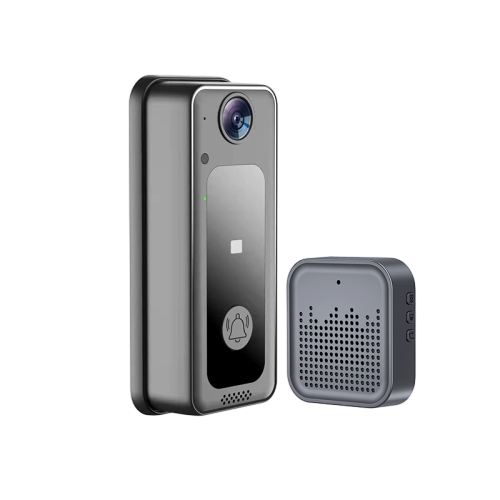
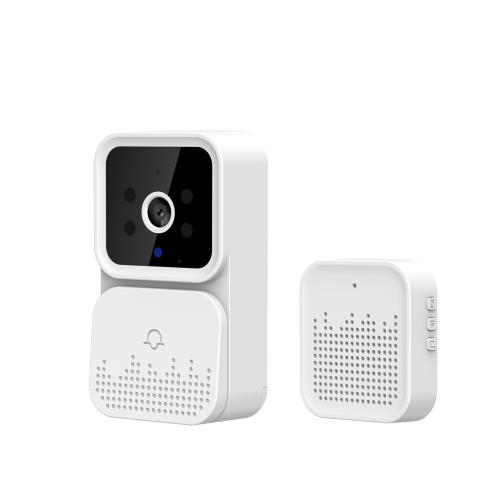
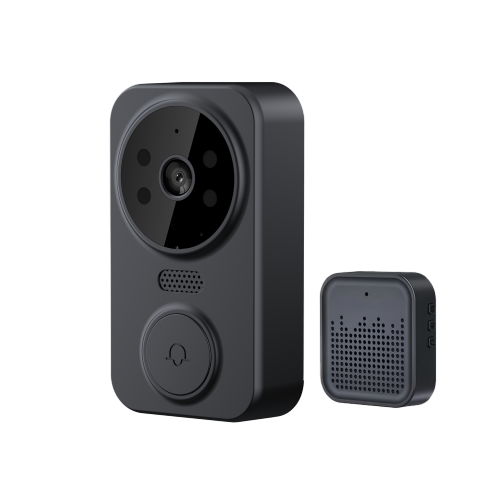
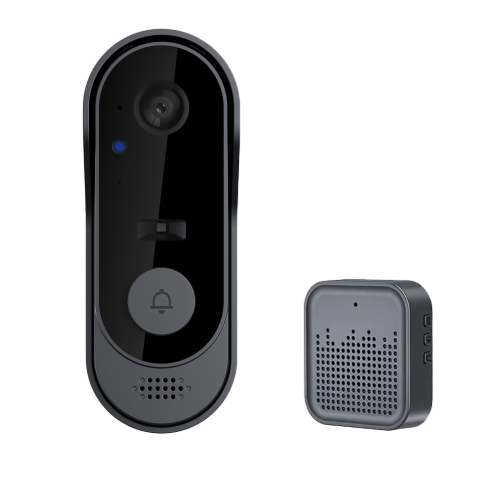
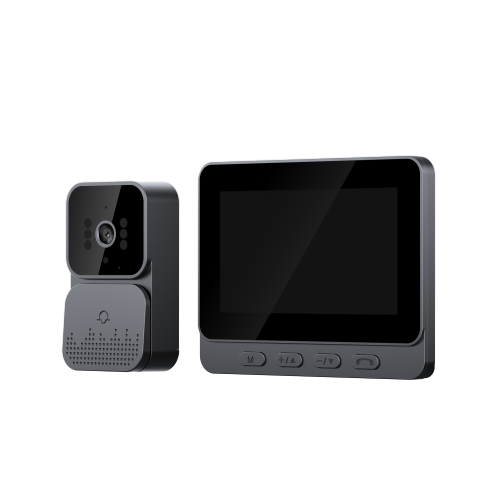
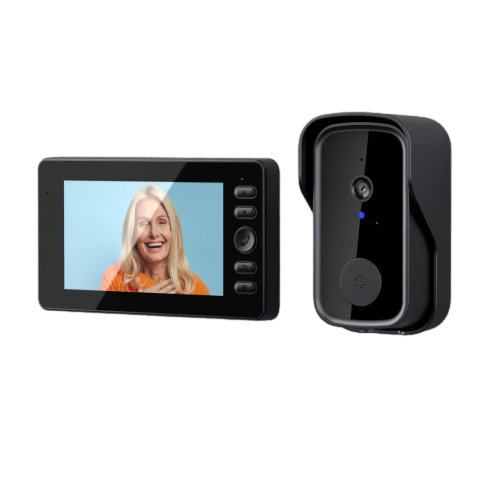
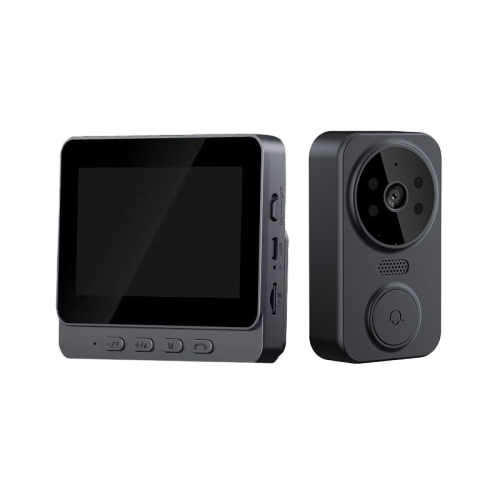
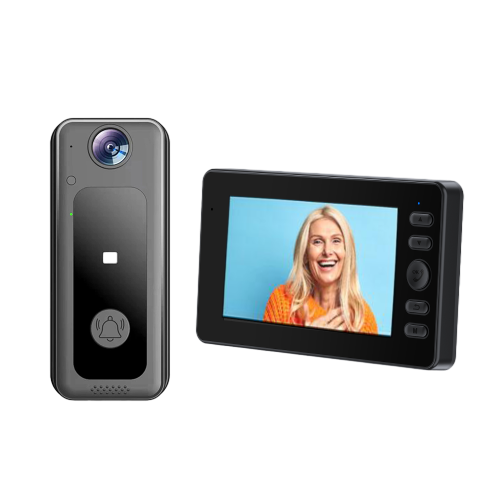
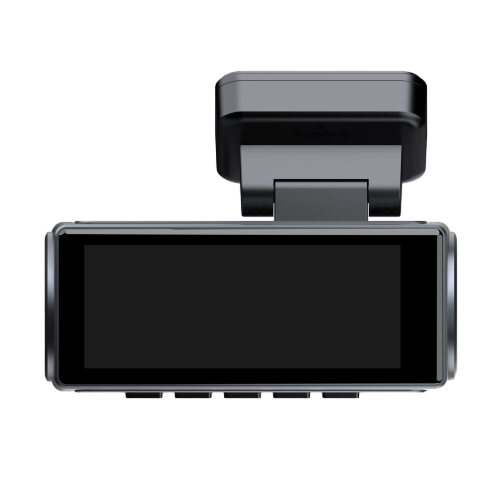
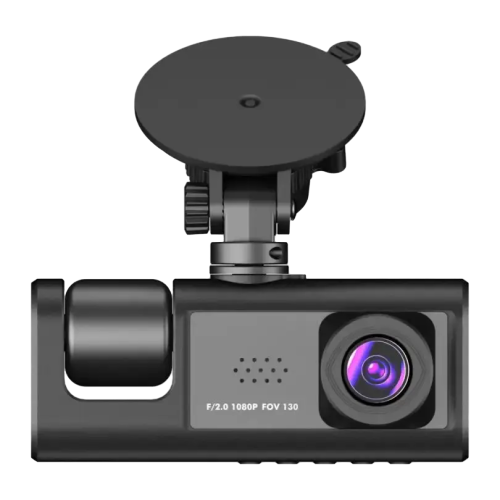
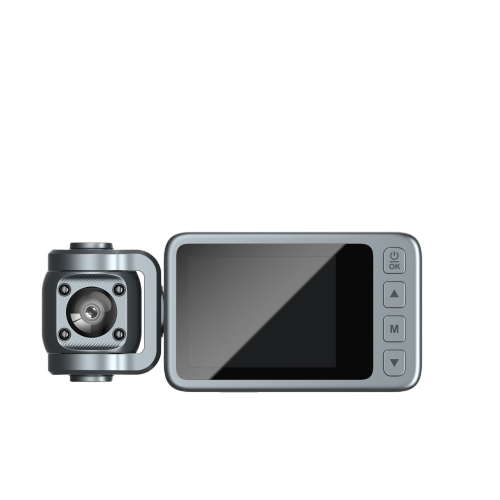
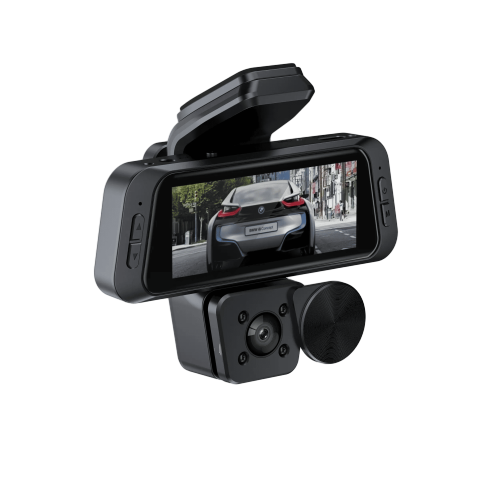
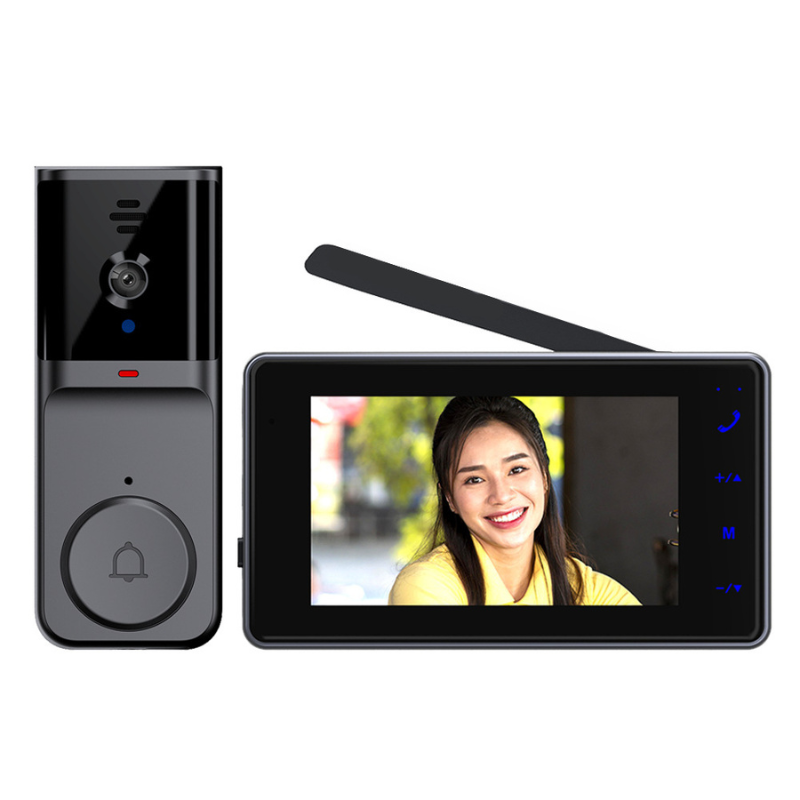
Most doorbell buying guides treat night vision as a tick-box: "does it have night vision, yes or no." That question is too coarse to be useful. The doorbells in the Yuaoheng range use two fundamentally different night-lighting methods — infrared and white light — and the choice changes what you see at the door, whether the image is in colour, and how conspicuous the camera is after dark.
This guide explains the difference using the actual models in the range. It gives you the model groups, what each method does to a face at night, what each one reveals about the camera itself, and a practical way to decide which suits your entrance. It finishes with lens angle, because a wrong field of view ruins a night image just as effectively as a wrong light source.
Two Different Ways to Light a Dark Doorstep
Both methods illuminate a scene the eye cannot see well in darkness. They differ in the wavelength they use and in what the sensor can therefore render.
Infrared (IR) night vision uses an infrared illuminator just outside the visible spectrum. The sensor sees the reflected IR and renders it as a monochrome — usually black-and-white — image. Nothing visible is projected onto the doorstep, so the camera stays discreet. Most IR models in the range carry a GC0328 sensor with a stated IR night-vision function.
White-light night vision uses a visible white LED. The sensor records normal reflected light, so the image stays in colour. The trade is that a bright light switches on at the door whenever the camera triggers.
The choice is not "better or worse" but a trade between colour and discretion.
Which Models Use Which Method
The specification sheet groups the doorbell models by night-lighting method. These are the documented groups; buyers can locate a model they are considering in one of them.
| Night-lighting method | Documented models (selected) | Typical sensor / lens note |
|---|---|---|
| Infrared | M6, M8, M16, M17, M22, M23 | GC0328 / 80° — IR night vision |
| Infrared | M10, M12, M16A, M17A | GC0328 / 85° — IR night vision |
| Infrared | M25S, M26S | GC0328 / 130° fisheye — IR night vision |
| White light | M3, M9, M15 | GC0328 / 125° — white-light night vision |
| White light | M20, M21, M25, M26 | X001 / 120° — white-light night vision |
| White light | M28, M30 | X001 / 120–130° — white / IR fill options |
Selected models by night-lighting method, from the product specification sheet. Confirm the exact configuration of the model you are ordering.
Two patterns are worth noting. The 80–85° IR group uses a narrower lens and is built around recognising a face close to the door. The 120–130° white-light group favours a wide view of the whole entrance. The M25S and M26S sit in a category of their own: a 130° fisheye with infrared, which is a privacy-oriented, no-WiFi design discussed separately in the guide to a doorbell that never touches the cloud.
What Each Method Does to the Image
For a doorbell the night image has one main job: identify who is at the door. That is different from reading a number plate, and it changes which properties matter.
What infrared gives you
- A discreet camera — no visible light announces that a recording has started.
- Reliable illumination in complete darkness, independent of street lighting.
- A monochrome image, so clothing colour and vehicle colour are lost.
- A visible glow around the IR emitter on some units, which can still reveal the camera position up close.
What white light gives you
- A colour image at night, useful for describing clothing, a delivery uniform, or a vehicle.
- A light that doubles as a deterrent and as a convenience for the person at the door.
- A visible beam that can annoy neighbours or attract insects at a brightly lit entrance.
- Higher visible power draw while the LED is active.
For an entrance that is already brightly lit by a porch lamp, white light adds little and IR keeps the unit unobtrusive. For an unlit side door where a colour description matters, white light earns its keep. The decision is about the entrance, not about which technology sounds more advanced.
Lens Angle: The Other Half of Night Performance
Night-lighting method is only half the equation. Lens angle decides how much of the scene reaches the sensor, and the documented range spans roughly 80° to 130°.
| Lens angle | What it covers | Where it works |
|---|---|---|
| 80° | Narrow — a person close to the door | Apartment door, covered porch |
| 85° | Slightly wider close view | Front door with a short approach |
| 115–125° | Door plus immediate approach | Typical suburban entrance |
| 130° fisheye | Very wide, distorted at edges | Wide doorway, small forecourt |
Documented lens angles across the doorbell range. Wider is not automatically better — it trades detail at any one point for overall coverage.
A wide angle at night spreads the available light over more of the frame and reduces the number of pixels on a face. A 130° fisheye sees more of the forecourt but renders a face smaller than an 80° lens at the same distance. If identification is the priority, a narrower lens aimed at the expected approach is usually the better choice.
For the reasoning behind field-of-view and detail, the same arithmetic is worked in the dashcam context in why dashcams cannot read number plates at night. For the wider question of which doorbell design to buy, see the doorbell manufacturer guide and the no-WiFi doorbell buying guide.
A Short Decision Checklist
Four questions settle the choice for a specific installation:
- Is the entrance lit? Existing porch or street light favours IR and keeps the unit discreet.
- Do you need colour? If describing clothing or a vehicle matters, choose white light.
- How close is the expected visitor? A close, fixed approach suits a narrow 80–85° lens; a wide forecourt needs 115° or more.
- Will a visible light cause a problem? Shared walls, neighbours, or insects at a bright doorway argue for IR.
A buyer who answers these four can match a documented model to the installation instead of choosing on the presence of a "night vision" label.
Match a Doorbell to Your Entrance
Tell us how the doorway is lit, how wide the approach is, and whether you need colour at night. We will confirm which documented model and lens angle fit the installation.
Ask About Doorbell Options →Model groupings reflect the product specification sheet. Confirm the exact night-lighting method and lens of the specific SKU you order.
.jpg?imageMogr2/format/webp)