.png?imageMogr2/format/webp)
A taxi or ride-hailing car is not a private car with a different paint job. It is a mobile workplace where three parties who do not trust each other share a small cabin: the driver, the passenger, and the platform that dispatched them. When something goes wrong — a fare dispute, an allegation of misconduct, a complaint that cannot be reconstructed — the dashcam is the only neutral witness. What it needs to record, and what the law allows it to record, are different questions from the ones a private owner asks.
This guide is written for fleet operators and vehicle buyers who are specifying cameras for hire vehicles. It covers the decisions that actually change the purchase: how many channels a hire car needs, why the cabin channel matters more than the road channel in most disputes, what notification and privacy obligations follow from recording inside a commercial vehicle, and how to specify a system that survives a full shift. The legal points are described as general principles; the operator is responsible for confirming local requirements.
Why a Hire Car Needs a Different Camera Plan
A private owner buys a dashcam to protect a claim. A hire operator buys one to resolve a conflict that has already escalated to a third party — a platform support ticket, an insurance file, a regulator complaint. That difference changes what "good footage" means.
On a private car the important event is almost always outside: who crossed the line, who braked, who hit whom. On a hire car a large share of incidents happen inside the cabin. A passenger claims the driver took a longer route. A driver claims a passenger damaged the seat. One party alleges verbal abuse. In each case the forward camera, however sharp, recorded nothing useful. The cabin channel is the one that decides the outcome.
On hire vehicles the cabin is the higher-value recording zone, yet it is the channel most often left out of a specification.
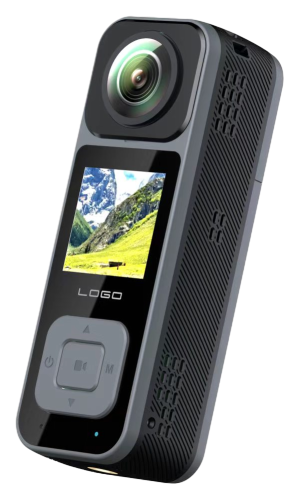
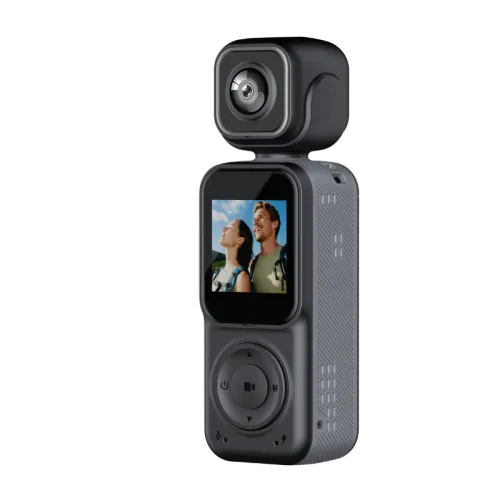
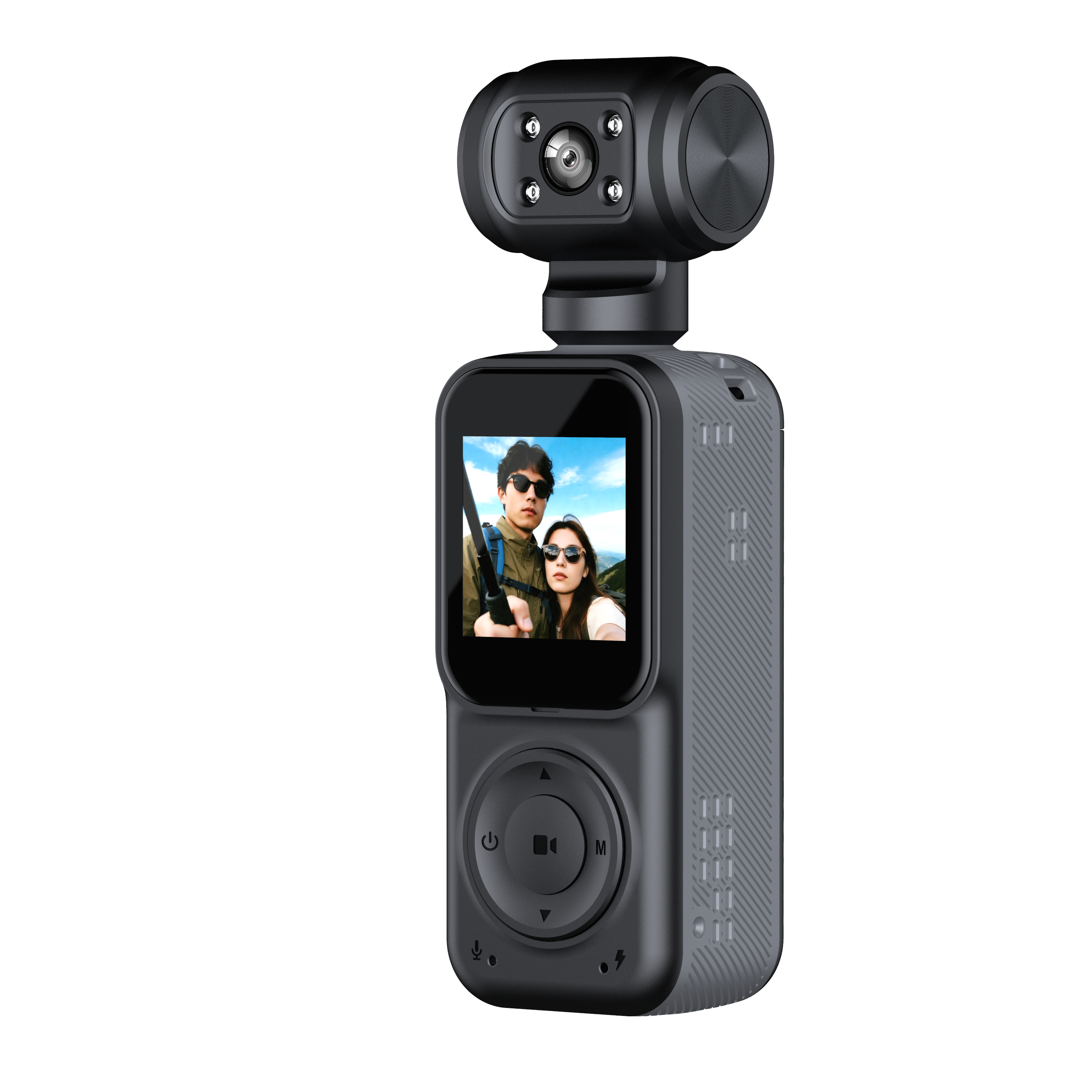
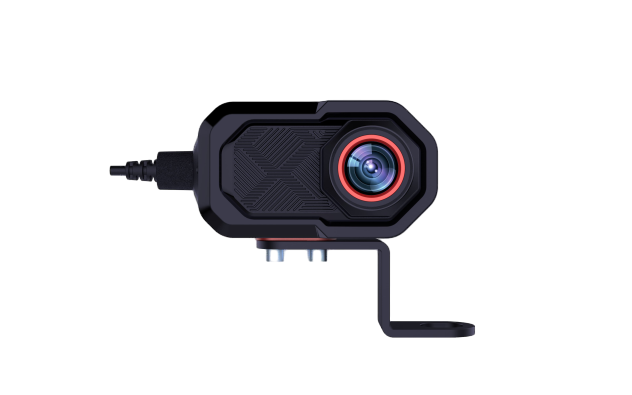
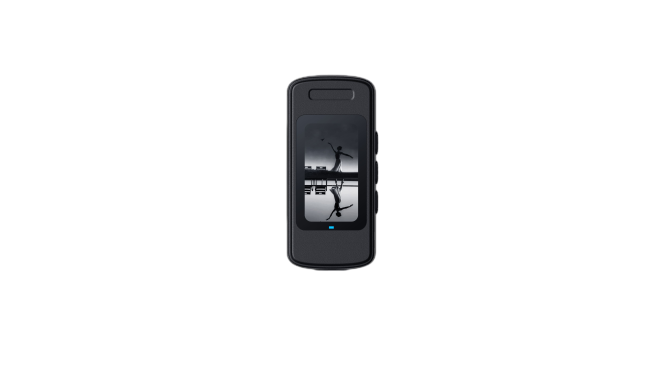
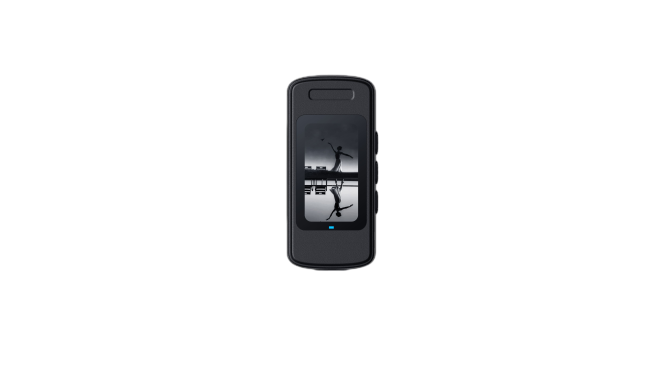
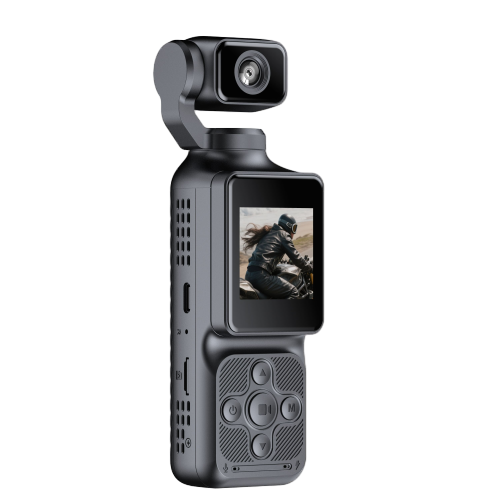
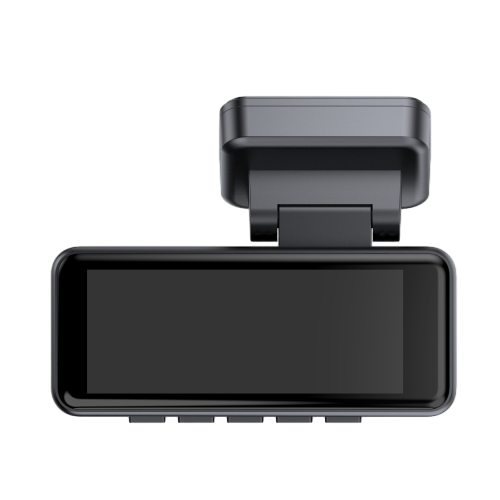
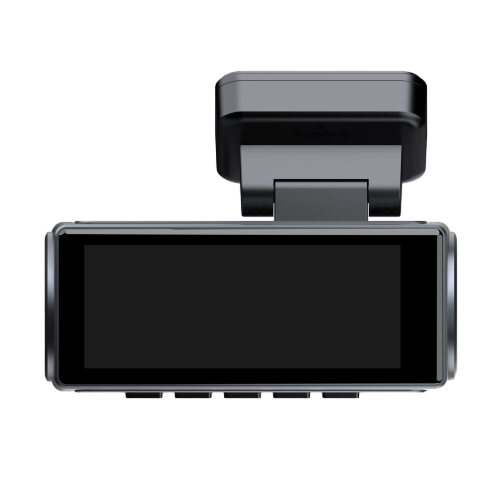
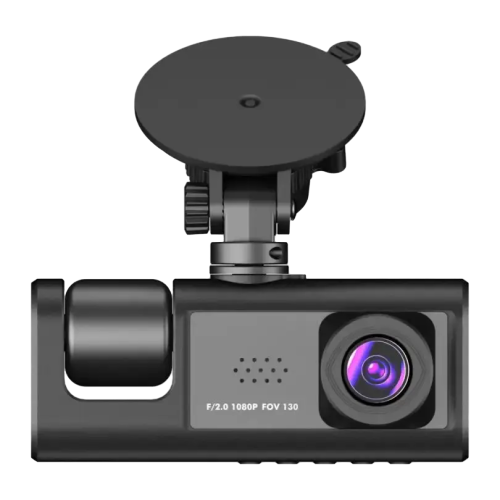
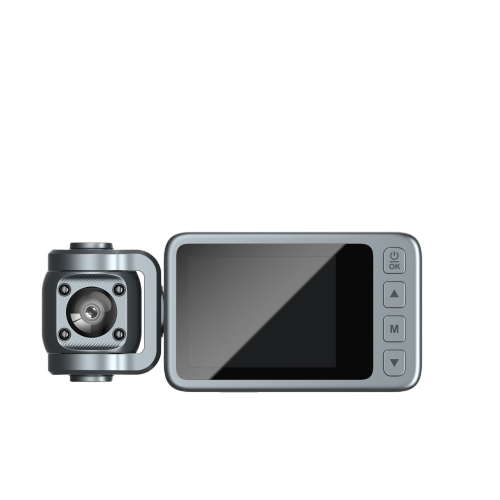
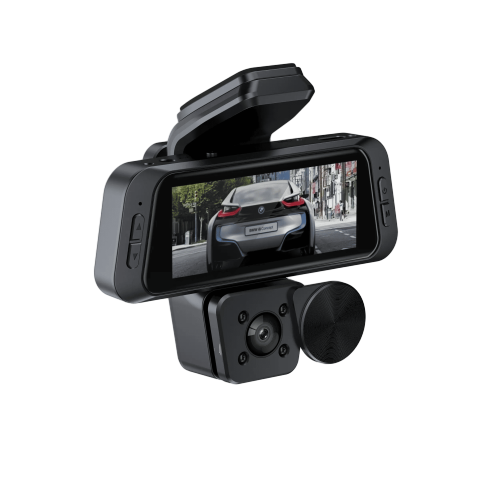
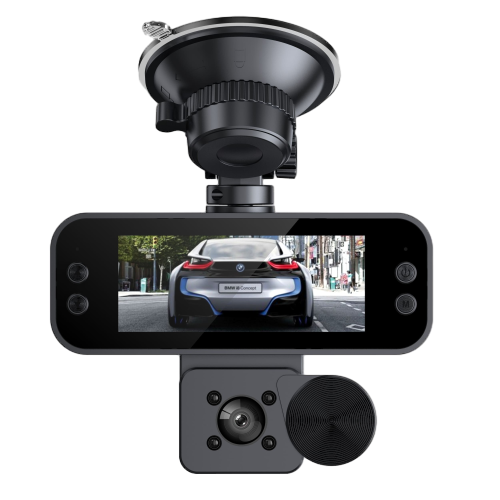
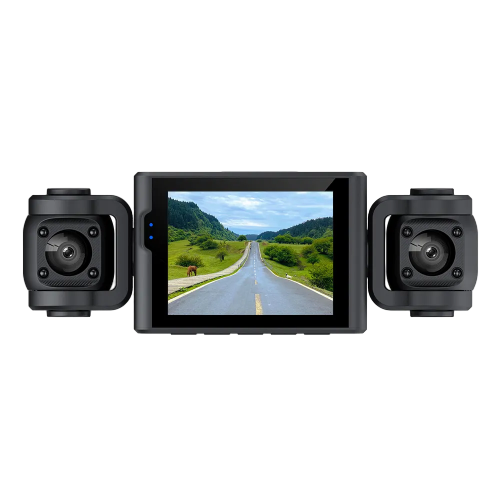
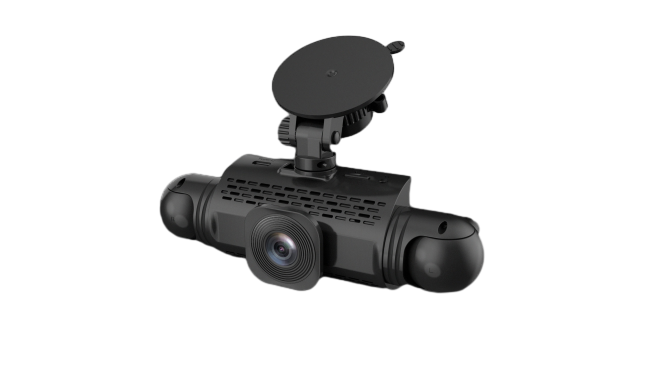
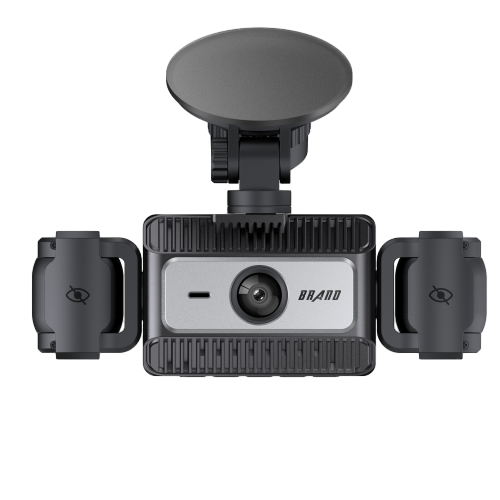
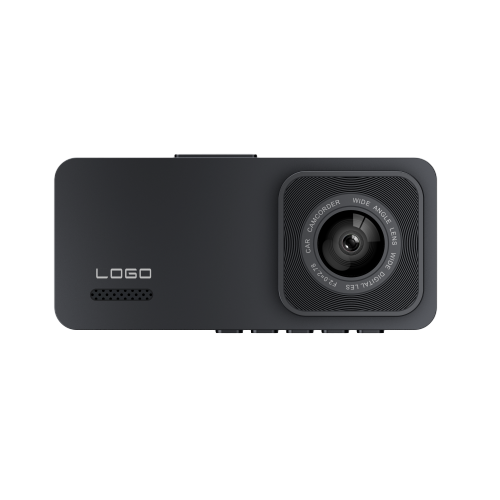
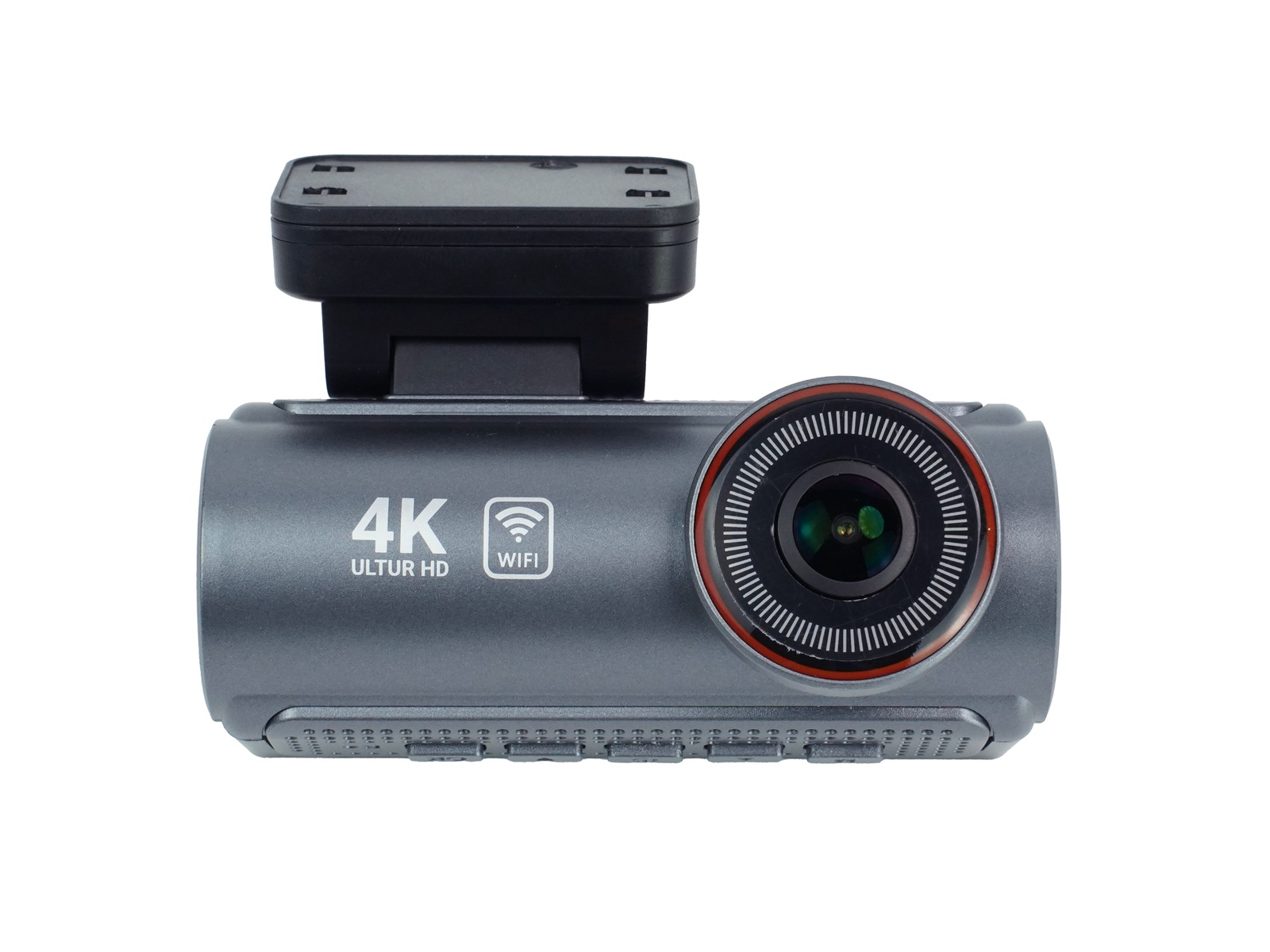
The specification sheet for the Yuaoheng range lists multi-channel dashcams including three-channel and four-channel configurations, with options for in-cabin cameras. The point is not that more channels are always better — it is that a system with no cabin view cannot resolve the disputes a hire car actually generates.
How Many Channels a Hire Car Actually Needs
Channel count is where most fleet specifications go wrong. The instinct is to count outward-facing views — forward, rear, maybe sides — and treat the cabin as an optional extra. For a hire vehicle the order should be reversed: cabin first, then forward, then rear.
| Configuration | What it covers | Fit for hire use |
|---|---|---|
| Forward only | Road ahead | No — misses the majority of hire disputes |
| Forward + rear | Road ahead and behind | Partial — still blind inside the cabin |
| Forward + cabin | Road ahead and passenger area | Baseline for fare and conduct disputes |
| Forward + cabin + rear | Road, cabin, and rear | Strong default for taxis and ride-hailing |
| Four channel | Adds a second interior or side view | For high-risk routes and larger vehicles |
Channel selection for hire vehicles. The cabin channel moves the system from "records collisions" to "resolves disputes".
The resolution split matters as much as the count. A four-channel unit that records one sharp stream and three low-detail streams is not equivalent to four useful streams. In the 2K + 1080P×3 class, the forward channel carries the detail needed for road evidence while the three sub-streams remain legible for cabin activity. Buyers should ask for the resolution of every channel, not the headline number of the primary one.
For operators comparing configurations, the earlier comparison of dual-channel and triple-channel dashcams sets out the trade in general terms. The hire-car case simply weights the cabin channel more heavily than a private buyer would.
Notification, Consent and What the Law Expects
Recording a passenger is not the same as recording a road. A dashcam pointed out of the windscreen captures a public space. A camera pointed into a cabin captures identifiable people in a setting where they have a reasonable expectation of privacy, and in many jurisdictions an audio recording adds a separate consent requirement on top of the video rules.
Three obligations follow for a commercial operator, regardless of country:
- Notification. Passengers must be told that audio and video recording takes place. In practice this means a visible, legible notice inside the vehicle, placed where a passenger can read it before the trip begins — not a sticker hidden behind the driver's seat.
- Purpose limitation. Footage is kept for a defined reason — dispute resolution, driver protection, insurance — and not reused for unrelated purposes. A retention period should be written down and enforced by the loop-recording setting.
- Access control. Who can view, export, and share a clip should be defined. Cabin footage handed around a group chat is a data incident waiting to happen.
These are operating rules, not features the camera supplier can supply. The supplier's job is to make a system whose technical behaviour — loop recording, event locking, clear timestamps — makes it possible for the operator to follow them. A camera that cannot lock an event or cannot produce an intact original file makes compliance harder, not easier.
This article describes general principles only. Notification wording, consent rules, and retention limits differ by jurisdiction and by whether audio is captured. Operators should confirm the requirements that apply where the vehicle is licensed before specifying the system.
Shift Length, Storage and Continuous Recording
A hire car may be driven ten, sixteen, or twenty hours a day, often by more than one driver. Two consequences follow that a private owner never faces.
The first is storage. A long shift produces far more footage than a commute, and the documented card ceiling on the dashcam range is 64GB. There is no larger-card route in the specification. The retention window has to be designed around the shift length: how many hours of history must remain available at the moment a dispute is reported. The 64GB storage calculation works that window out from channel count and data rate; the same method applies here with a longer daily duty cycle.
The second is continuity. A system that stops recording when the ignition cycles, or that loses its settings when power is interrupted, produces gaps exactly at the handover between drivers. Specify a unit that resumes automatically and whose loop behaviour is not dependent on a driver remembering to press anything.
| Operating fact | Design consequence |
|---|---|
| Multiple drivers per vehicle | Settings and retention must not depend on one driver |
| Long daily duty cycle | Retention window must be calculated for the full shift |
| Frequent ignition cycles | Recording must resume automatically without driver input |
| Fleet-wide deployment | Firmware and configuration must be consistent across units |
Fleet operating conditions translate directly into camera specification requirements.
The Five Questions That Decide the Purchase
The purchase decision for a hire-car camera is a small set of answers, not a feature checklist. A buyer who can answer the following five questions has specified a workable system.
- Does it see the cabin? If the disputes you actually face happen inside the car, a forward-only camera is the wrong product regardless of its resolution.
- What is each channel's resolution? The headline 2K or 4K number describes one stream only. Ask what the cabin and rear streams record at.
- How long is the retained window on a full shift? Calculate it from card size, channel count, and data rate; do not assume a day of driving is covered.
- Can an event be locked and exported intact? A clip that cannot be preserved with its original timestamp is weak evidence.
- Does the supplier support fleet configuration? Consistent firmware and settings across a batch matter more than any single specification.
For the commercial side of the decision — what a unit costs, what a custom configuration involves, and how a private-label program is structured — the guides on how a dashcam quotation is calculated and OEM, ODM and white-label manufacturing cover the ordering process. Night-time image quality, which affects road evidence but not the cabin argument, is treated in why dashcams cannot read number plates at night.
Specifying Cameras for a Hire Fleet?
Tell us how many vehicles you operate, whether you need in-cabin recording, and the shift length each car runs. We will confirm the channel configuration, the retention window it produces, and what a fleet-sized order involves.
Discuss Your Fleet Requirements →General guidance only. Recording, notification and retention obligations vary by jurisdiction; confirm the rules that apply to your operating area.

.jpg?imageMogr2/format/webp)